
Discover Sri Lanka’s
Wild National Parks
Sri Lanka is one of Asia’s most rewarding safari destinations, packing remarkable biodiversity into a compact island. Its national parks shelter elephants, leopards, sloth bears, crocodiles, and dazzling birdlife, including many species found nowhere else. Within hours, it is possible to travel from mist‑shrouded mountains to dry plains, emerald rainforests, wetlands, and sweeping coasts. This rich mix of landscapes creates unforgettable encounters, from cruising mangrove lagoons to tracking big cats on open savannah. For nature lovers, Sri Lanka’s parks offer rare accessibility, diversity, and a truly wild atmosphere.


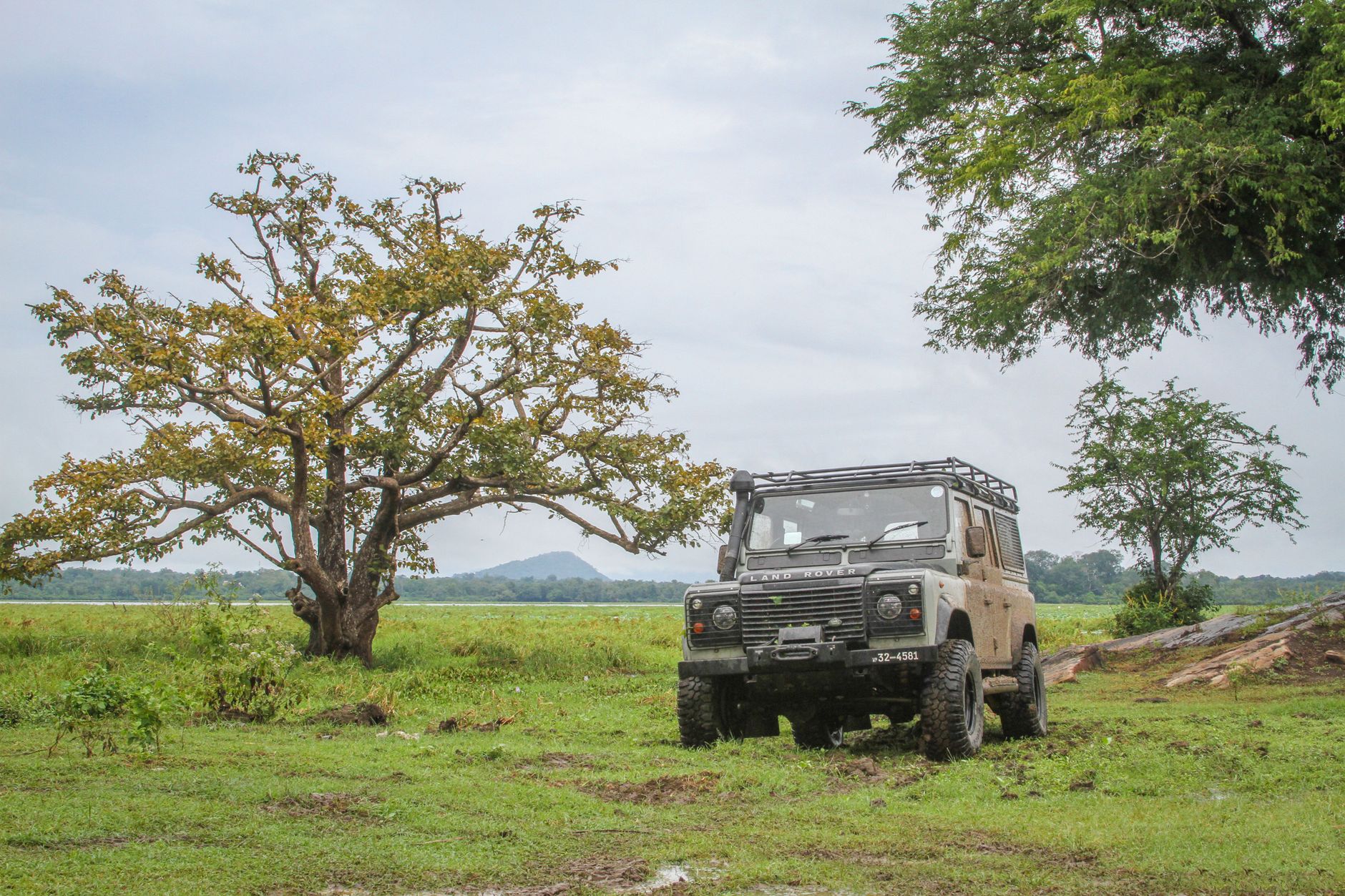
Sri Lanka's Signature National Parks

📍Yala National Park –
Leopard Territory
🎟️ Tickets
🌐 https://www.yalasrilanka.lk/
Yala is Sri Lanka's most famous park and one of the best places in the world to spot wild leopards in daylight. Its mix of scrub jungle, rocky outcrops, and lagoons creates ideal conditions for close yet respectful wildlife viewing. Typical sightings include leopards, sloth bears, elephants, crocodiles, and abundant birdlife such as painted storks and bee-eaters. The best time to visit is during the dry season from February to July, when animals gather around shrinking waterholes and visibility is highest. Yala suits photographers and wildlife enthusiasts who want dramatic big-cat encounters, as well as first-time safari-goers who appreciate good infrastructure and relatively short game drives. Families will enjoy the high chance of sightings, but should be prepared for popular routes and busier tracks, especially during holidays.

📍Udawalawe National Park – Elephant Encounters
🎟️ Tickets
🌐https://udawalawesafari.lk/
Udawalawe is renowned for its large, reliably seen herds of Asian elephants, making it ideal if close elephant encounters are your priority. The open grasslands and scattered scrub offer wide, unobstructed views, perfect for observing natural behavior such as bathing, play-fighting, and mothers with calves. In addition to elephants, you can expect sightings of water buffalo, sambar deer, jackals, and raptors circling above the reservoir. The park is excellent year-round, but December to April often brings clearer skies and comfortable conditions. Udawalawe is particularly well suited to families, first-time safari travelers, and photographers who want clean backgrounds and soft light at sunrise or sunset. It also appeals to travelers on tighter schedules, as game drives are shorter and logistics straightforward compared with more remote parks.

📍Wilpattu National Park – Remote Wilderness
🎟️ Tickets
🌐https://www.wilpattunationalpark.com/
Wilpattu offers a very different experience: a vast, quiet wilderness of dense forest and natural lakes known as "villus." Wildlife sightings can be more challenging than in Yala, but the rewards are memorable—leopards, sloth bears, deer, and a rich variety of waterbirds often appear around the villus, especially in the early morning. The best time to visit is generally from February to October, with the late dry season improving your chances of spotting animals near water. Wilpattu is ideal for adventure seekers, birdwatchers, and photographers who value solitude, subtle light, and a sense of exploration over guaranteed big-cat encounters. It suits experienced safari-goers and patient travelers who enjoy long, unhurried drives, listening to the forest and appreciating the park's raw, untamed character.
Planning Your National
Park Adventure
Udawalawe or Yala?
You are not alone if you are split between Udawalawe and Yala national parks. The only correct answer is to choose both. But if you haven't enough time, ask yourself what you want more: leopard or elephants? If you dream of seeing a graceful leopard, then you better try to find it in Yala, where is more than 25 grace cats are. If you dream of wise elephants, your path lies in Udawalawa – this is the best place where you can see many elephants in their home.
When is the best time to visit Sri Lanka’s national parks?
Sri Lanka's national parks offer incredible wildlife experiences throughout the year, but the best time to visit depends on the park. Yala National Park is best visited from February to June, when dry conditions make wildlife easier to spot. Udawalawe National Park is excellent year-round. Wilpattu National Park is best visited from February to October.
Do I need a guide or can I self-drive in the parks?
In most Sri Lankan national parks, visitors are required to enter with a registered safari jeep and driver, and in many cases a tracker or guide is mandatory. Self-driving is generally not allowed for safety and conservation reasons. Professional guides know animal behavior, safe viewing distances, and the best routes, which greatly improves your chances of sightings while minimizing disturbance to wildlife. It is recommended to book safaris through reputable operators or your accommodation.
Which Yala block is best?
Block 1
Best for: 🐆 Leopards, 🐘 elephants, 🐊 crocodiles, 🦌 general wildlife and first-time visitors.
Block 5
Best for: 📸 Photography, 🌿 wilderness, 🐘 elephants and avoiding the biggest crowds.
Block 6
Best for: 🐘 a quieter, wilder experience
How can I visit responsibly and support conservation?
Responsible visits help protect Sri Lanka’s fragile ecosystems. Choose operators who follow park rules, keep respectful distances from animals, and avoid crowding wildlife. Do not feed animals, litter, or request drivers to chase or corner animals for photos. Stick to designated tracks and keep noise to a minimum. Consider visiting less crowded parks to reduce pressure on popular areas. Supporting locally owned lodges, guides, and community projects also helps ensure that tourism benefits conservation and nearby communities.
What should I pack for a safari in Sri Lanka?
Pack light, breathable clothing in neutral colors such as beige, green, or brown to blend with the environment. A hat, sunglasses, and sunscreen are essential for sun protection, while a light jacket or shawl can be useful for early morning or evening drives. Bring binoculars, a camera with extra batteries or power bank, and any personal medications. Insect repellent is recommended, especially near wetlands. Closed shoes are more practical than sandals, and a reusable water bottle helps reduce plastic waste.